
UNR's Astronomy Program Developments and Approachability
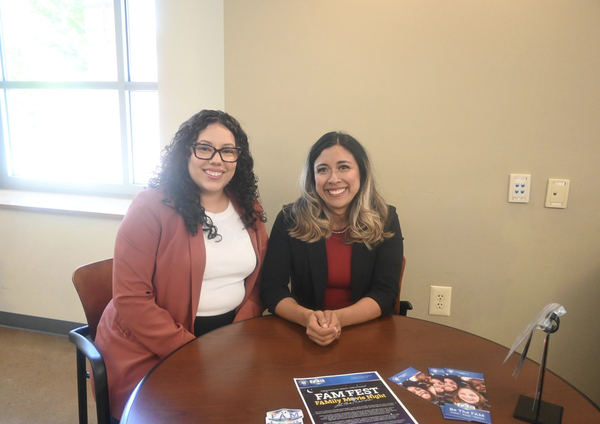
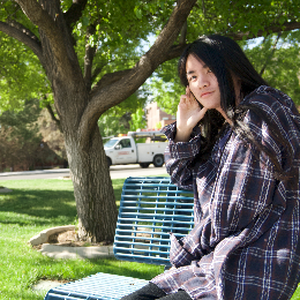
Promoting the astronomy program at UNR for all, a final feature with this photo by Isaac Cancoby @isaac._2as who was a reporter for Our Town Reno this summer.
“I think a big draw is that it’s a unique opportunity to get to pursue a passion if you have a passion for astronomy or an interest in astronomy without having to make that your full career – and you can,” Kelly Kosmo O'Neil a teaching assistant professor of UNR says of the astronomy program now open to all students.
“I think the fact that it is accessible to all majors, it’s a way to get hands-on experience… learning about our environment, getting to use research-grade, top-notch facilities all in a way that you can still pursue a major you want to pursue,” O’Neil said.
With the Fall semester arriving soon , UNR students who have not chosen their minors yet may find the astronomy program to be an approachable option despite its well-known difficult topics. The astronomy minor at UNR is undergoing changes to become something for students, both STEM and humanities alike, to share a common interest to study together.
O’Neil is involved with teaching almost all astronomy-related courses, and will be teaching AST 109 – Planetary Astronomy – for the first time this Fall. She did her PhD thesis at UCLA before coming to teach at UNR.
“A lot of physics majors do the astronomy minor but students from humanities and stuff can do the minor and get that sense of hands-on experience with science while being able to pursue whatever other field they want,” O’Neil said.
The Fleischmann Planetarium and the Great Basin Observatory are used by the faculty to help students engage with astronomy. The planetarium is sometimes used for classes and is even getting renovations for a larger dome.
“The Great Basin Observatory is also a really cool resource for students. It’s a unique partnership UNR has with the observatory because it’s the only research-graded telescope located in a national park. It’s also pretty unique for students to get access at the undergrad level to a research-grade telescope through coursework and stuff. So, we incorporate that into our Astro 310 course…” O’Neil said.
“I think a big draw is that it’s a unique opportunity to get to pursue a passion if you have a passion for astronomy or an interest in astronomy without having to make that your full career – and you can,” Kelly Kosmo O'Neil a teaching assistant professor of UNR says of the astronomy program now open to all students.
“I think the fact that it is accessible to all majors, it’s a way to get hands-on experience… learning about our environment, getting to use research-grade, top-notch facilities all in a way that you can still pursue a major you want to pursue,” O’Neil said.
With the Fall semester arriving soon , UNR students who have not chosen their minors yet may find the astronomy program to be an approachable option despite its well-known difficult topics. The astronomy minor at UNR is undergoing changes to become something for students, both STEM and humanities alike, to share a common interest to study together.
O’Neil is involved with teaching almost all astronomy-related courses, and will be teaching AST 109 – Planetary Astronomy – for the first time this Fall. She did her PhD thesis at UCLA before coming to teach at UNR.
“A lot of physics majors do the astronomy minor but students from humanities and stuff can do the minor and get that sense of hands-on experience with science while being able to pursue whatever other field they want,” O’Neil said.
The Fleischmann Planetarium and the Great Basin Observatory are used by the faculty to help students engage with astronomy. The planetarium is sometimes used for classes and is even getting renovations for a larger dome.
“The Great Basin Observatory is also a really cool resource for students. It’s a unique partnership UNR has with the observatory because it’s the only research-graded telescope located in a national park. It’s also pretty unique for students to get access at the undergrad level to a research-grade telescope through coursework and stuff. So, we incorporate that into our Astro 310 course…” O’Neil said.